Ceramic Backing Materials Transforming the Welding Industry
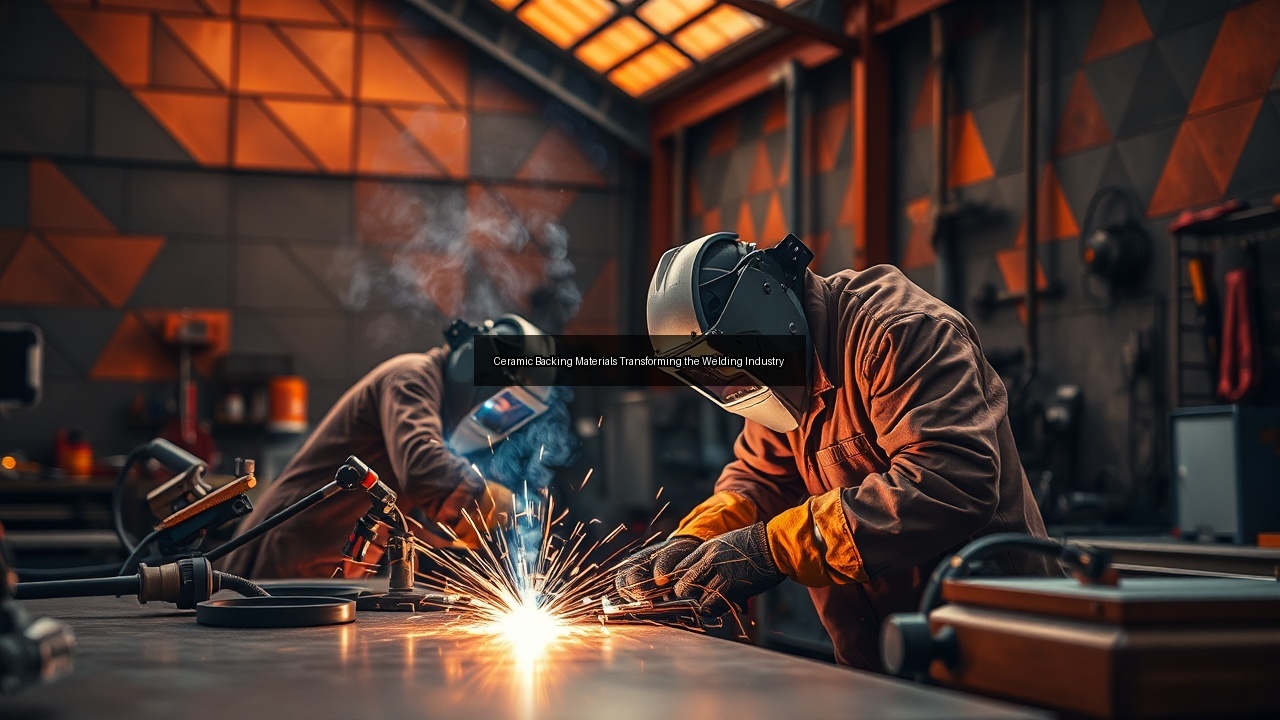
The Evolution of Welding Techniques
Historical Overview of Welding
Welding has a rich history that dates back thousands of years. Initially, ancient civilizations used forge welding, where metal pieces were heated and hammered together. This primitive method laid the groundwork for modern welding techniques. As metallurgy advanced, so did the processes. The 19th century witnessed the introduction of electric arc welding, which revolutionized the industry. This innovation allowed welders to join metals more efficiently and effectively, marking a pivotal moment in manufacturing. Today, welding encompasses diverse techniques and applications, evolving to meet the demands of various industries.
Introduction to Welding Processes: MIG, TIG, and GMAW
Modern welding techniques include Metal Inert Gas (MIG) welding, Tungsten Inert Gas (TIG) welding, and Gas Metal Arc Welding (GMAW). MIG welding proves popular among welders for its speed and ease of use, particularly in projects that require a high deposition rate. TIG welding, known for its precision, is essential for stainless steel and thin materials, allowing for clean, strong welds without excessive spatter. GMAW combines attributes of both MIG and TIG, offering versatility across various materials and thicknesses. Each process has unique advantages, enabling welders to choose the right technique based on project requirements.
The Role of Automation in Modern Welding
Automation has transformed the welding landscape, enhancing efficiency and precision. Automated welding systems reduce human error, delivering consistent weld quality across various applications. Industries increasingly implement robotic welding solutions, particularly in mass production settings, where speed and repeatability are crucial. Automation also allows welders to focus on complex tasks that require skilled craftsmanship, while machines handle repetitive processes. Companies like Gullco International and Voestalpine are at the forefront of this automation revolution, providing advanced welding equipment that integrates seamlessly into production lines, optimizing workflows for maximum productivity.
Understanding Ceramic Backing Materials
What Are Ceramic Backings and Their Composition?
Ceramic backings, specifically designed for welding applications, consist of high-temperature resistant materials that provide critical support during the welding process. These materials often include alumina, zirconia, and other advanced ceramics that withstand extreme conditions. The primary purpose of ceramic backing is to support the weld pool and prevent the molten metal from sagging, ensuring consistent weld geometry. With a variety of formulations available, ceramic backings can be tailored to meet specific welding needs, enhancing performance across different projects. Their composition plays a crucial role in determining their effectiveness and durability in various welding environments.
Benefits of Using Ceramic Backing in Welds
Using ceramic backing for welds offers numerous advantages that improve overall welding quality. First, ceramic backings provide excellent thermal insulation, which helps maintain optimal temperatures during the welding process. This insulation prevents issues like distortion and warping, leading to better weld integrity. Additionally, ceramic materials contribute to cleaner weld surfaces by minimizing contamination from backing materials. Welders also appreciate the ease of use; ceramic backings can easily be shaped and adhered to various surfaces, making them adaptable for a range of projects. Overall, these benefits significantly enhance the efficiency and quality of welding operations.
Comparison of Ceramic Backing with Traditional Backing Materials
Traditional backing materials like copper and steel have long been used in welding, but they often fall short compared to ceramic options. While metals can conduct heat away from the weld pool too quickly, leading to poor weld quality, ceramic backings maintain the necessary thermal conditions for optimal welding. Furthermore, ceramics resist oxidation and contamination, which can compromise weld integrity. Unlike traditional materials, ceramic backings are lightweight and easy to handle, reducing the physical strain on welders. As the industry pushes for more efficient and effective solutions, the advantages of ceramic backing become increasingly clear, prompting many to make the switch.
Application of Ceramic Backing in Different Industries
Ceramic Backing in Marine Applications
The marine industry significantly benefits from ceramic backing materials due to their durability and corrosion resistance. Marine welds require robust solutions that can withstand harsh environments, including saltwater exposure and extreme temperatures. The use of ceramic backings in shipbuilding and repair ensures strong, reliable welds that meet stringent safety and performance standards. Additionally, the insulation properties of ceramics help prevent heat-related issues, allowing for precise welding on complex geometries found in marine structures. As a result, welders in the marine sector increasingly rely on ceramic backings to enhance their weld quality and longevity.
Utilizing Ceramic Backing for Aluminium Welding
Aluminium welding presents unique challenges due to the metal's thermal conductivity and susceptibility to distortion. Ceramic backing materials offer a solution by providing necessary support during the welding process. They help maintain the weld pool temperature, reducing the risk of warping and maintaining weld integrity. The use of ceramic backings also ensures cleaner welds by minimizing contamination from traditional backing materials. Welders specializing in aluminium appreciate the effectiveness of ceramics in enhancing both quality and efficiency. With the demand for aluminium products rising across industries, ceramic backing continues to play a crucial role in successful aluminium welding.
Impact of Ceramic Backing in Plasma Cutting and Laser Welding
Ceramic backings extend their benefits beyond traditional welding techniques, proving invaluable in plasma cutting and laser welding applications. In plasma cutting, ceramic materials help define the cut edge, enhancing precision and reducing the risk of dross formation. Their ability to withstand high temperatures ensures consistent performance even in demanding cutting scenarios. Similarly, in laser welding, ceramic backings support the weld pool, allowing for cleaner, more precise welds. The versatility of ceramic materials makes them essential in modern fabrication processes, contributing to improved outcomes in various applications, from automotive manufacturing to aerospace engineering.
Future Trends in Welding and Ceramic Technologies
Advancements in Ceramic Materials for Welders
The welding industry continually evolves, with advancements in ceramic materials leading the way. Researchers and manufacturers are exploring new ceramic compositions that enhance temperature resistance, durability, and adhesion properties. Innovations such as nanoceramics and composite ceramics promise to deliver even better performance in welding applications. These advancements will enable welders to tackle increasingly complex projects with confidence. As technology progresses, the use of ceramic backing will likely become more widespread, positioning itself as a standard choice for welders seeking optimal results in their work.
The Role of Companies like Gullco International and Voestalpine
Companies like Gullco International and Voestalpine lead the charge in integrating ceramic technologies into welding processes. Their commitment to innovation drives the development of advanced equipment that leverages the benefits of ceramic backing materials. Gullco specializes in automated welding solutions, ensuring that their products enhance productivity while maintaining the highest quality standards. Voestalpine focuses on high-performance materials, including ceramics, to support welders in various industries. As these companies continue to push boundaries, they play a vital role in shaping the future of welding and ceramic technologies.
Innovative Protective Gear and Equipment for Welders
The safety of welders remains a top priority, leading to innovations in protective gear and equipment. Modern welding helmets incorporate advanced materials, such as ceramics, to provide better protection against heat and sparks. These helmets also feature improved visibility and comfort, enhancing the overall welding experience. Additionally, companies are developing specialized clothing designed to withstand extreme conditions while allowing for flexibility and movement. With the integration of ceramic materials into protective gear, welders can work more confidently, knowing they have reliable protection on the job. As the industry embraces these advancements, the future of welding equipment looks promising.