CNC Machining and Metal Spinning A Perfect Partnership in Metalworking
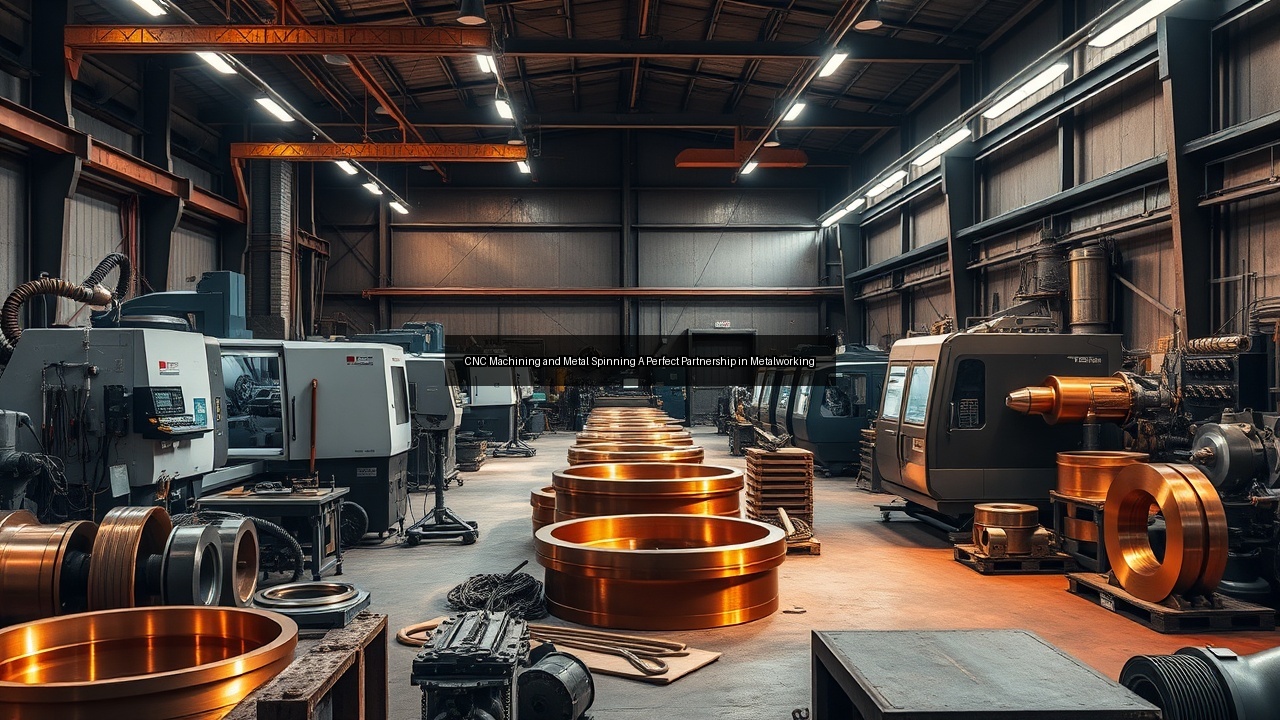
Understanding CNC Machining and Metal Spinning
Introduction to CNC Machining
CNC machining, or Computer Numerical Control machining, revolutionizes the manufacturing landscape by automating the control of machining tools through computer programming. This technique allows for high precision and repeatability, making it essential for producing intricate parts across various industries. CNC machines can handle multiple materials, including metals like aluminum, brass, and carbon steel. The ability to create complex geometries with minimal human intervention enhances efficiency and accuracy, a crucial necessity in metalworking. Companies often leverage CNC machining for prototyping and mass production, ensuring that each component meets stringent quality standards.
Overview of Metal Spinning
Metal spinning, often referred to as spin forming, is a manufacturing process that shapes metal into cylindrical forms. This technique involves rotating a metal disc or sheet on a lathe while a tool presses against the material to create the desired shape. Metal spinning is highly versatile and can produce components with varying diameters, wall thicknesses, and designs. Commonly used metals include copper, brass, aluminum, and various alloys, each selected for their unique properties. This method is particularly advantageous for creating hollow shapes, such as toroidal designs, which find applications in diverse fields from aerospace to consumer goods.
The Importance of Precision in Metalworking
Precision stands as a pillar in metalworking, impacting everything from functionality to aesthetics. In CNC machining and metal spinning, accuracy ensures that parts fit together seamlessly, reducing the need for costly rework and waste. The use of advanced tools and technologies allows manufacturers to achieve tight tolerances, which is especially critical in industries such as aerospace, automotive, and medical devices. Furthermore, precision influences the performance and durability of finished products, as even minor discrepancies can lead to failure under stress. Thus, understanding the importance of precision is vital for any manufacturer aiming to maintain a competitive edge in the market.
The Metal Spinning Process
Step-by-Step Guide to Metal Spinning
The metal spinning process begins with selecting the appropriate metal sheet or disc, often referred to as a blank. Manufacturers cut this blank to the desired diameter, ensuring it will fit the final specifications. Next, the blank is mounted onto a lathe, where it rotates at high speeds. A tool, usually made of steel, then applies pressure against the blank, gradually forming it into the desired shape. This tool can be adjusted to create various profiles, accommodating different design requirements. After achieving the desired form, the spun metal is often subjected to finishing processes, such as polishing or coating, to enhance its appearance and durability. This step-by-step approach, combined with the use of CNC technology, ensures optimal results in metal spinning.
Role of Tailstock in Metal Spinning
The tailstock plays a crucial role in the metal spinning process by stabilizing the workpiece during rotation. It serves as a support mechanism that prevents vibration and movement, which can compromise precision. Positioned opposite the spinning tool, the tailstock holds the blank securely, allowing for accurate shaping and forming. This stability is particularly important when working with larger or heavier materials, as even slight deviations can lead to defects in the final product. Furthermore, the tailstock can be adjusted to accommodate various diameters and lengths, making it a versatile component in metal spinning operations. Manufacturers rely on this tool to enhance the overall quality and efficiency of their spinning processes.
Materials Used in Metal Spinning: Metals and Alloys
Metal spinning accommodates a wide range of materials, each chosen based on the specific requirements of the project. Commonly used metals include aluminum, known for its lightweight properties; brass, valued for its corrosion resistance; and copper, which boasts excellent conductivity. Alloys such as carbon steel provide strength and durability, making them suitable for heavy-duty applications. The choice of material significantly impacts the spinning process, influencing factors like tooling wear, final finish, and the ability to achieve tight tolerances. Manufacturers often conduct tests to determine the best metal or alloy for their needs, ensuring that the end product meets both functional and aesthetic standards.
Applications and Benefits of Metal Spinning
Metal Spinning in Gas Cylinder Manufacturing
Metal spinning finds extensive application in the manufacturing of gas cylinders, which require precise dimensions and high durability. The process allows manufacturers to create seamless, cylindrical structures essential for holding gases under pressure. By utilizing metal spinning, companies can produce gas cylinders with uniform wall thickness and optimal strength characteristics, crucial for safety. Additionally, the ability to create customized designs enables manufacturers to tailor cylinders for specific applications, whether for industrial, medical, or consumer use. This adaptability, coupled with the cost-effectiveness of metal spinning, positions it as a preferred method in gas cylinder production.
Innovative Uses in Lighting and Art
Beyond industrial applications, metal spinning plays a significant role in the fields of lighting and art. Designers leverage this technique to create unique light fixtures, where spun metal components provide both functional and aesthetic appeal. The smooth, reflective surfaces achieved through metal spinning enhance the overall look of lighting products, making them visually striking. Artists also utilize spun metal in sculptures and installations, where the interplay of light and shadow can elevate their work. This creative versatility showcases the potential of metal spinning as a medium for artistic expression while maintaining the integrity and strength required for functional applications.
Comparative Advantages Over Other Metal Fabrication Techniques
Metal spinning offers distinct advantages over other metal fabrication techniques such as stamping, roll forming, and casting. Unlike stamping, which typically requires expensive dies for each shape, metal spinning can easily adapt to design changes without significant additional costs. Roll forming is limited to specific profiles, while metal spinning allows for the creation of complex shapes and designs. Additionally, metal spinning produces minimal waste, as the process utilizes a single sheet or disc, making it more environmentally friendly. The ability to achieve high precision and customize designs quickly positions metal spinning as a superior choice in many manufacturing scenarios.
The Future of Metal Spinning and CNC Machining
Emerging Technologies in Metalworking
The future of metal spinning and CNC machining looks promising with the advent of emerging technologies. Innovations such as artificial intelligence and machine learning are transforming how manufacturers approach design and production. These technologies enable predictive maintenance, reducing downtime and enhancing operational efficiency. Additionally, advancements in materials science are leading to the development of new alloys and metals that can withstand higher stress levels and offer superior performance. As manufacturers continue to embrace these innovations, the capabilities of CNC machining and metal spinning will expand, leading to even more precise and efficient processes.
Sustainability in Metal Spinning and Machining
Sustainability has become a crucial consideration in metalworking industries, and both metal spinning and CNC machining are adapting to meet these demands. Efforts to minimize waste and enhance energy efficiency are at the forefront of modern manufacturing strategies. Techniques such as recycling scrap metal and using eco-friendly lubricants contribute to a more sustainable production process. Furthermore, manufacturers are increasingly focusing on designing products that require less energy during their lifecycle, aligning with global sustainability goals. This commitment to responsible practices not only benefits the environment but also appeals to consumers seeking ethically produced goods.
The Role of Manufacturers in Advancing Techniques
Manufacturers play a pivotal role in advancing metal spinning and CNC machining techniques. By investing in research and development, companies can explore new methods and technologies that enhance production quality and efficiency. Collaborations between manufacturers and educational institutions can foster innovation, providing a pipeline of skilled professionals equipped with the latest knowledge. Additionally, manufacturers are responsible for implementing quality control measures that ensure products meet stringent standards. As they continue to push the boundaries of what’s possible in metalworking, manufacturers will shape the future landscape of CNC machining and metal spinning, ensuring their relevance in an ever-evolving market.