Utilizing Plastic Pipe Girth Welding in Modern Infrastructure
Understanding Pipeline Girth Welding
The Importance of Girth Welds in Modern Infrastructure
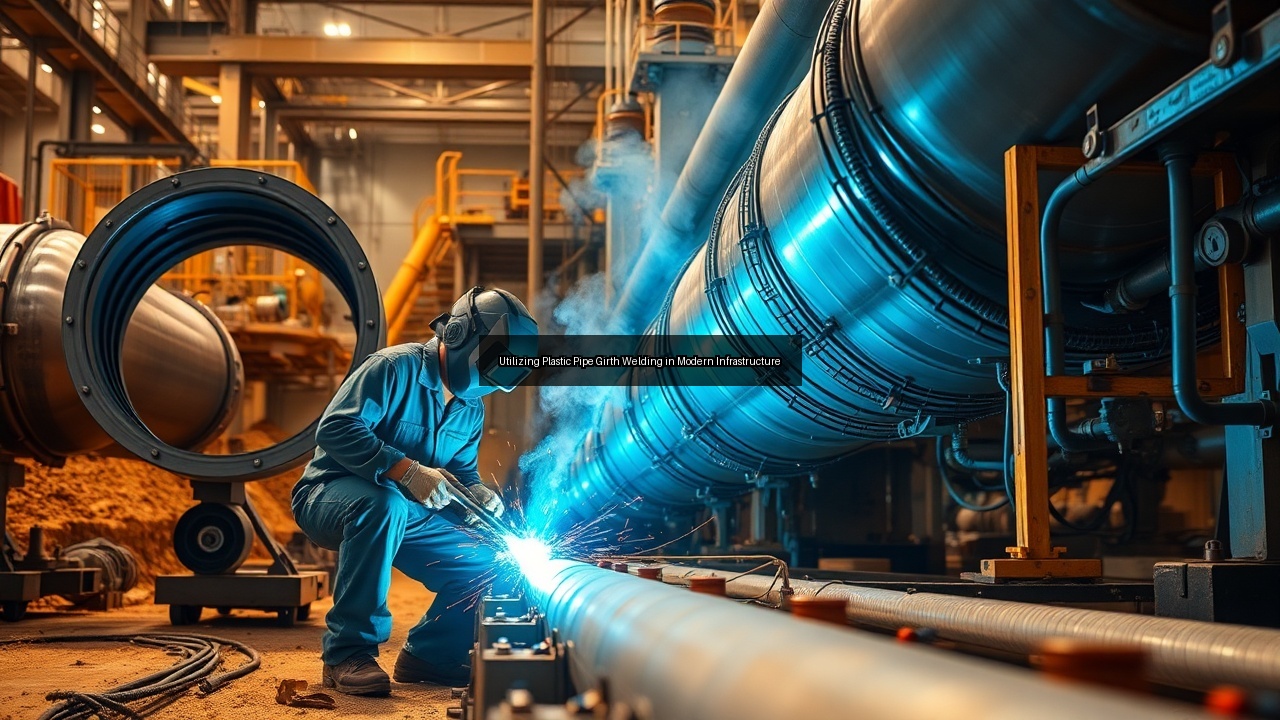
Girth welds serve as critical components in the construction of pipelines, connecting individual pipe segments to create a continuous flow system. These welds play a pivotal role in maintaining the integrity and functionality of pipelines, which transport essential resources such as water, gas, and oil. The strength and durability of girth welds directly affect the overall performance of the pipeline. Engineers and construction professionals focus heavily on the quality of these welds to prevent leaks and failures that could lead to costly repairs or environmental hazards. Properly executed girth welds ensure that the pipeline can withstand pressures and external forces, making them indispensable in modern infrastructure.
Materials Used in Girth Welding: A Focus on Plastic and Stainless Steel
The selection of materials for girth welding significantly influences the weldability and longevity of the pipeline. Plastic pipes, increasingly popular for their resistance to corrosion and lower weight, require specific welding techniques that differ from traditional materials like stainless steel. While stainless steel offers exceptional strength and durability, it poses challenges in terms of heat management during the welding process. Understanding the weldability of both materials is crucial, as it directly impacts the quality of the welds and the overall integrity of the pipeline. Each material presents unique benefits and challenges, requiring welders and engineers to adapt their strategies to achieve optimal results.
Weldability of Different Materials and Their Impact on Strength
The weldability of materials such as plastic and stainless steel varies significantly, affecting the final strength of the girth welds. Plastic, while easier to manipulate and resistant to corrosion, may not offer the same mechanical strength as stainless steel. However, advancements in welding techniques allow for improved bonding in plastic pipes, enhancing their performance. Stainless steel welds, on the other hand, provide superior strength but require precise temperature control during the welding process to avoid issues such as warping or cracking. Ultimately, the choice of material and its weldability play a vital role in determining the effectiveness of girth welds in pipelines, underscoring the importance of skilled welders in this critical construction phase.
Welding Techniques and Inspection Methods
Traditional vs. Advanced Welding Methods: A Comparative Analysis
Welding methods have evolved significantly, with traditional techniques like arc welding being complemented by advanced methods such as friction stir welding. Traditional methods often rely on heat generated by an electric arc to join materials, which can lead to inconsistencies if not managed properly. In contrast, advanced techniques like friction stir welding utilize a rotating tool to create a joint through mechanical friction, resulting in less thermal distortion and improved weld quality. This method is particularly effective for materials like plastic and aluminum, where precise joint integrity is essential. Understanding the strengths and weaknesses of each technique helps welders choose the most suitable approach for specific pipeline projects, ensuring strong and reliable girth welds.
Friction Stir Welding: Innovations in Girth Welding
Friction stir welding represents a significant innovation in the field of girth welding, offering enhanced performance for specific applications. This solid-state welding technique minimizes the melting of the base materials, which helps maintain their mechanical properties and reduces the risk of defects. The process involves a rotating tool that generates frictional heat, allowing the material to soften and be forged together without reaching its melting point. As a result, girth welds produced through this method exhibit superior strength and resilience, making them ideal for high-pressure applications in pipelines. Adopting friction stir welding can lead to longer-lasting pipelines and lower maintenance costs, solidifying its place as a leading technique in modern infrastructure projects.
Welding Inspection Techniques: Ensuring Quality and Integrity
Welding inspection plays a crucial role in ensuring the quality and integrity of girth welds. Various inspection methods, including non-destructive testing (NDT), help identify potential defects without damaging the welded components. Techniques such as ultrasonic testing and radiographic inspection allow welders to assess the internal quality of welds, ensuring they meet the required standards for strength and durability. Regular weld inspections not only confirm the effectiveness of the welding process but also contribute to the overall safety of the pipeline system. By adhering to established inspection protocols, construction teams can mitigate risks and enhance the reliability of their pipeline infrastructure.
Corrosion and Temperature Management in Girth Welding
Corrosion Resistance in Plastic Pipes: Challenges and Solutions
Corrosion poses a significant threat to the longevity of pipelines, particularly those constructed with plastic materials. While plastic offers inherent corrosion resistance, environmental factors can still lead to degradation over time. Factors such as UV exposure, chemical interactions, and temperature fluctuations can compromise the integrity of plastic pipes. Addressing these challenges requires careful material selection and protective measures during the girth welding process. Coatings, additives, and innovative welding techniques can enhance corrosion resistance, ensuring that plastic pipelines remain functional and reliable for years. Understanding these challenges equips engineers and welders with the knowledge to implement effective solutions that safeguard pipeline infrastructure.
Temperature Control During Welding: Ensuring Strong Welds
Temperature control is critical during the welding process to achieve strong girth welds. Excessive heat can lead to warping, cracking, or reduced mechanical properties in both plastic and stainless steel materials. Skilled welders must monitor and adjust welding parameters to maintain optimal temperatures throughout the process. For plastic pipes, maintaining a consistent temperature ensures proper fusion without compromising the material's integrity. Meanwhile, stainless steel requires precise heat management to avoid thermal distortion. Implementing effective temperature control strategies not only enhances the quality of welds but also contributes to the overall strength and reliability of the pipeline system.
Non-Destructive Testing Methods: Ultrasonic Testing and Beyond
Non-destructive testing (NDT) methods, such as ultrasonic testing, play a vital role in evaluating the quality of girth welds without causing damage. Ultrasonic testing uses high-frequency sound waves to penetrate the weld and identify internal defects, allowing inspectors to assess the weld's integrity accurately. This technique is particularly useful for detecting issues like voids, inclusions, or incomplete fusion, which can compromise the strength of the weld. Other NDT methods, like magnetic particle inspection and dye penetrant testing, also contribute to a comprehensive weld inspection strategy. By employing these advanced testing methods, construction teams can ensure that girth welds meet stringent quality standards, reinforcing the safety and reliability of pipeline systems.
Best Practices in Girth Weld Inspection and Quality Control
The Role of Weld Inspection in Pipeline Construction
Weld inspection is essential in pipeline construction, ensuring that girth welds meet the required standards for safety and performance. Inspections conducted throughout the welding process help identify potential issues early, allowing for corrective measures before they escalate. Regular weld inspections contribute to the overall reliability of the pipeline, preventing costly repairs and environmental hazards. Qualified inspectors use a combination of visual assessments and non-destructive testing techniques to evaluate the quality of welds. By prioritizing weld inspection, construction teams can enhance the integrity of their pipeline infrastructure, ensuring it operates efficiently over its intended lifespan.
Developing Effective Girth Weld Procedures
Establishing effective girth weld procedures is crucial for achieving consistent and high-quality welds. These procedures should outline the specific welding techniques, equipment settings, and inspection protocols to be followed during the construction process. A well-defined procedure incorporates best practices tailored to the materials used, whether plastic or stainless steel, and considers factors such as temperature control and corrosion resistance. Regular reviews and updates to the welding procedures ensure they align with evolving industry standards and technological advancements. By developing and adhering to effective girth weld procedures, construction teams can maintain high-quality standards and promote the long-term performance of pipeline systems.
Literature Review: Standards and Guidelines for Girth Welds
Adhering to established standards and guidelines for girth welds is essential for ensuring the quality and safety of pipeline girth weld inspection construction. Various organizations, such as the American Welding Society (AWS) and the American Society of Mechanical Engineers (ASME), provide comprehensive literature on welding practices, inspection methods, and material specifications. Reviewing these guidelines helps engineers and welders stay informed about the latest advancements in girth welding technology and best practices. Regularly consulting industry literature promotes a culture of continuous improvement and fosters a commitment to excellence in pipeline construction. By following recognized standards, construction teams can enhance the reliability and performance of their girth welds, contributing to the success of modern infrastructure projects.